Joining Techniques for Laser Cut Parts
Tell Google we're a trusted resource.
Sheet metal joining is a crucial aspect of fabrication that can make or break the durability, functionality, and aesthetics of your projects. Whether you're working on prototypes or large-scale production, understanding various joining methods is key to creating strong, reliable connections. In this post, we'll explore some of the most common and effective sheet metal joining techniques, highlighting their strengths and ideal applications.
Welding: The Gold Standard of Permanent Joints
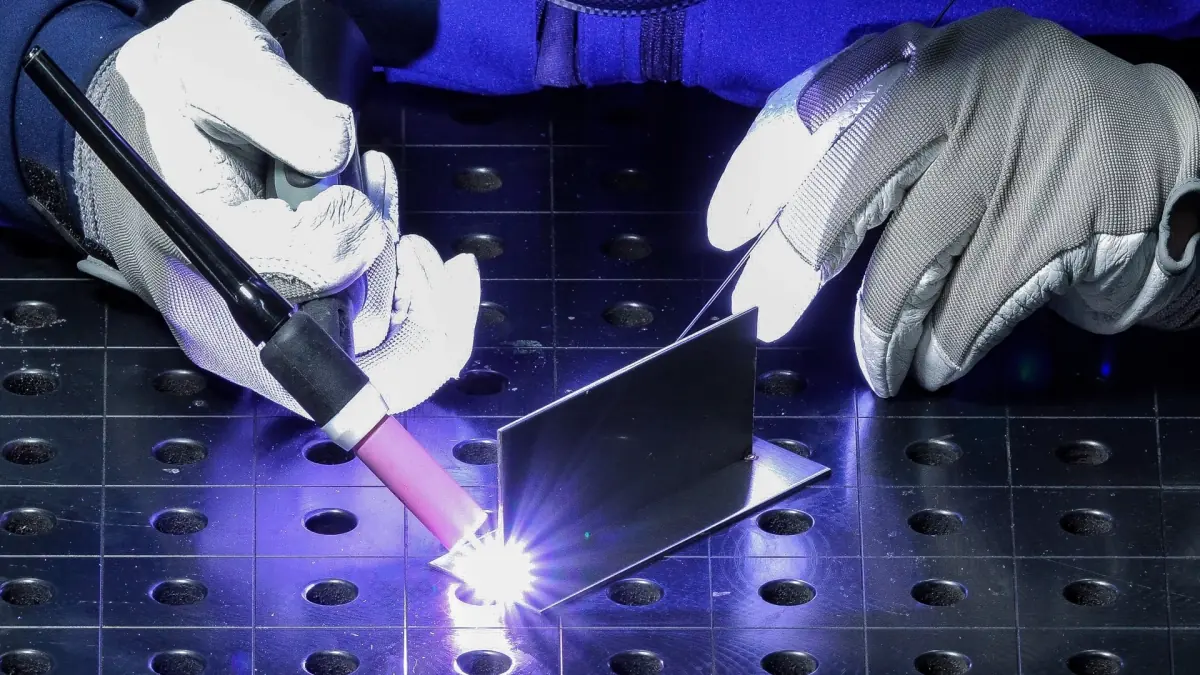
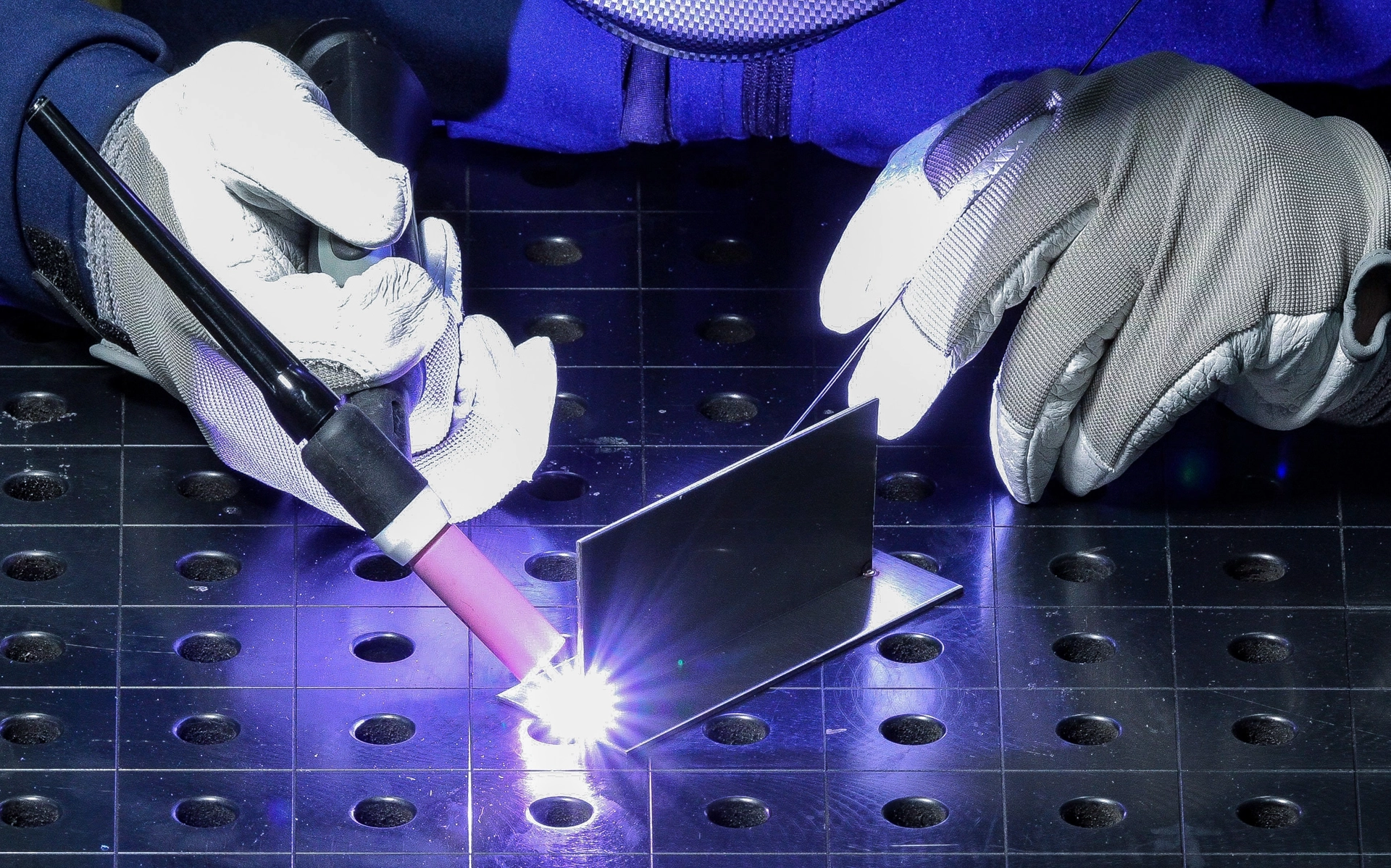
Welding remains one of the most popular and versatile methods for joining sheet metal. It creates a strong, permanent bond by melting and fusing the metal pieces together. There are several welding techniques suitable for sheet metal:
- TIG (Tungsten Inert Gas) Welding: Ideal for thin sheets and precision work, TIG welding produces clean, high-quality welds with minimal distortion.
- MIG (Metal Inert Gas) Welding: Faster than TIG welding, MIG is great for thicker materials and longer welds. It's widely used in automotive and construction industries.
- Spot Welding: Perfect for overlapping joints, spot welding is quick and efficient, making it popular in mass production settings.
While welding provides excellent strength, it requires skilled operators and can cause heat distortion if not done properly. It's best suited for projects where a permanent, strong joint is necessary.
Mechanical Fasteners: Versatility and Ease of Assembly
Mechanical fasteners offer a non-permanent joining solution that allows for easy disassembly and reassembly. This method is particularly useful for projects that may require future modifications or maintenance. Common mechanical fasteners include:
- Screws and Nuts: Versatile and readily available, they're ideal for joining sheets of varying thicknesses.
- Rivets: Excellent for creating strong, permanent joints without welding. They're widely used in aerospace and automotive industries.
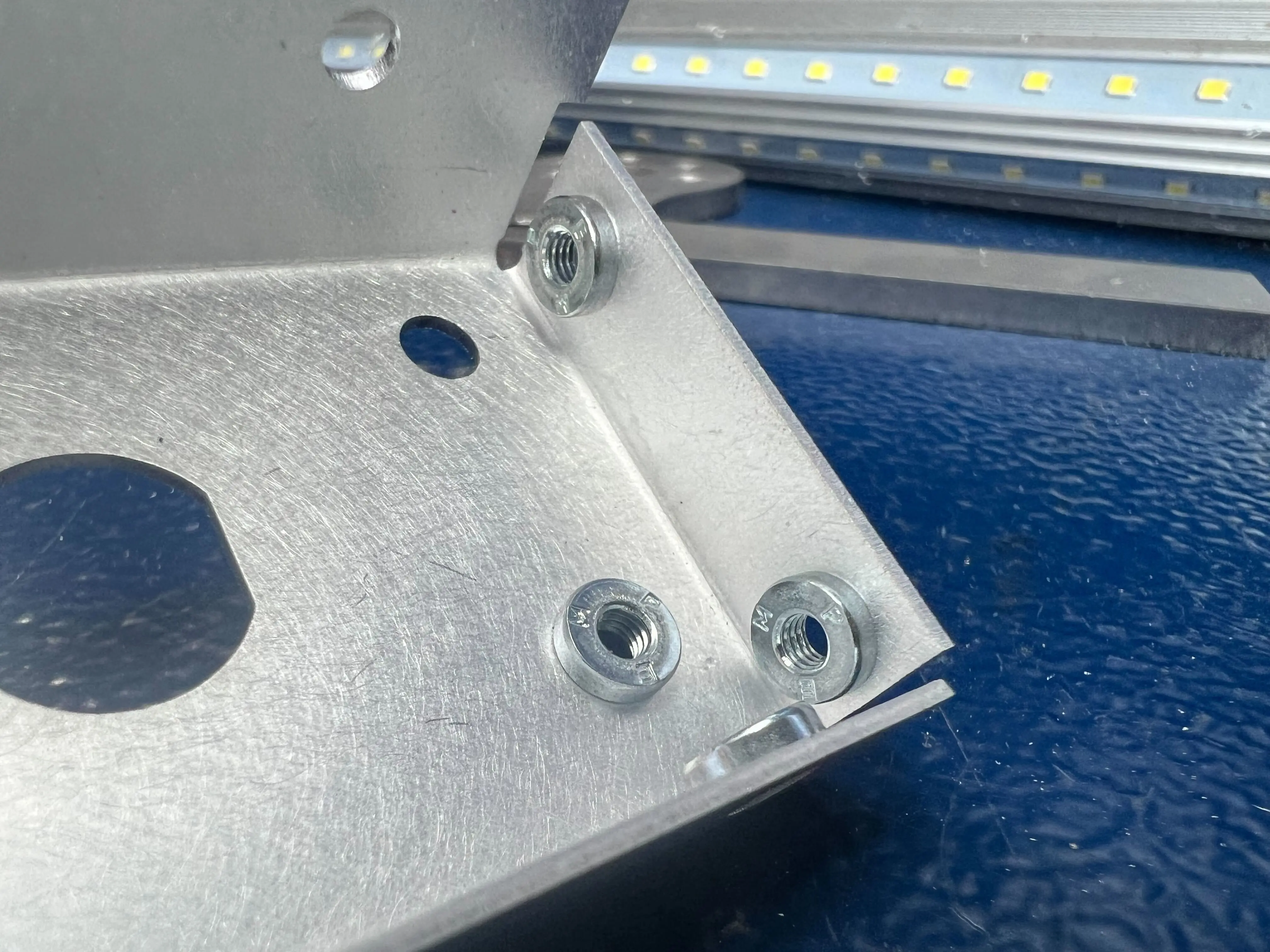
- PEM Fasteners: These self-clinching fasteners provide strong threads in thin materials, ideal for electronics enclosures and other applications where traditional threading isn't feasible.
At Fabworks, we offer a specialized Sheet Metal Hardware Service that includes the installation of PEM nuts, studs, and standoffs. This service ensures precise placement and secure fastening, enhancing the overall quality and durability of your sheet metal assemblies.
Adhesive Bonding: Clean and Versatile
Adhesive bonding is gaining popularity in sheet metal fabrication due to its ability to join dissimilar materials, distribute stress evenly, and create a clean appearance without visible fasteners. Modern structural adhesives can provide strength comparable to welded joints in many applications. For bonding metal, use a metal epoxy like JB Weld for a tight bond between surfaces. If your parts need to be held together strongly but aren't undergoing high load you might be able to use double-sided tapes such as 3M™ VHB™. With proper surface prep it can strongly hold parts together.
Key advantages of adhesive bonding include:
- No heat distortion
- Ability to join different metals or even non-metallic materials
- Excellent fatigue resistance
- Sealing properties that prevent corrosion
However, surface preparation is crucial for achieving strong bonds, and curing time must be considered in the production process.
Summary
Selecting the best joining method for your project depends on various factors:
- Material thickness and type
- Required joint strength
- Environmental conditions (e.g., exposure to heat, moisture, or chemicals)
- Assembly and disassembly requirements
- Production volume and speed
- Aesthetic considerations
At Fabworks, we understand the importance of proper joining techniques in sheet metal fabrication. While our core services focus on precision laser cutting and bending, we work closely with clients to ensure their designs are optimized for assembly. Our expert team can provide guidance on design considerations for various joining methods, helping you choose the best approach for your specific needs.
For projects requiring hardware insertion, our Sheet Metal Hardware Service complements our cutting and bending capabilities, offering a more complete solution for your fabrication needs. By combining our high-precision laser cutting with strategic hardware placement, we help streamline your assembly process and enhance the overall quality of your sheet metal projects.
In conclusion, mastering sheet metal joining techniques is essential for creating robust, functional, and aesthetically pleasing parts. By understanding the strengths and limitations of each method, you can make informed decisions that lead to superior products. Whether you're utilizing our laser cutting services for parts that will be welded later, or taking advantage of our hardware insertion capabilities, Fabworks is committed to supporting your sheet metal fabrication needs from start to finish.
Mild Steel vs Stainless Steel
Compare mild steel and stainless steel for strength, corrosion resistance, cost, fabrication, and common sheet metal applications.
Essential Checks Before Ordering Sheet Metal Parts
Optimize sheet metal designs with our pre-order checklist. Catch common errors and ensure manufacturability before submitting to Fabworks' laser cutting service.
Order Sheet Metal Parts
Upload a 2D DXF or 3D STEP file for an instant laser cutting quote. Quote in seconds, order in minutes, receive parts in days.
or drag and drop
STEP / DXF up to 24MB
Your files are safe, secure, and retain all intellectual rights.